Real Estate & Home
How to Tell If a House Gets Good Winter Sun Before You Buy
By SunCast team · Published · Last updated · 5 min read · Markdown
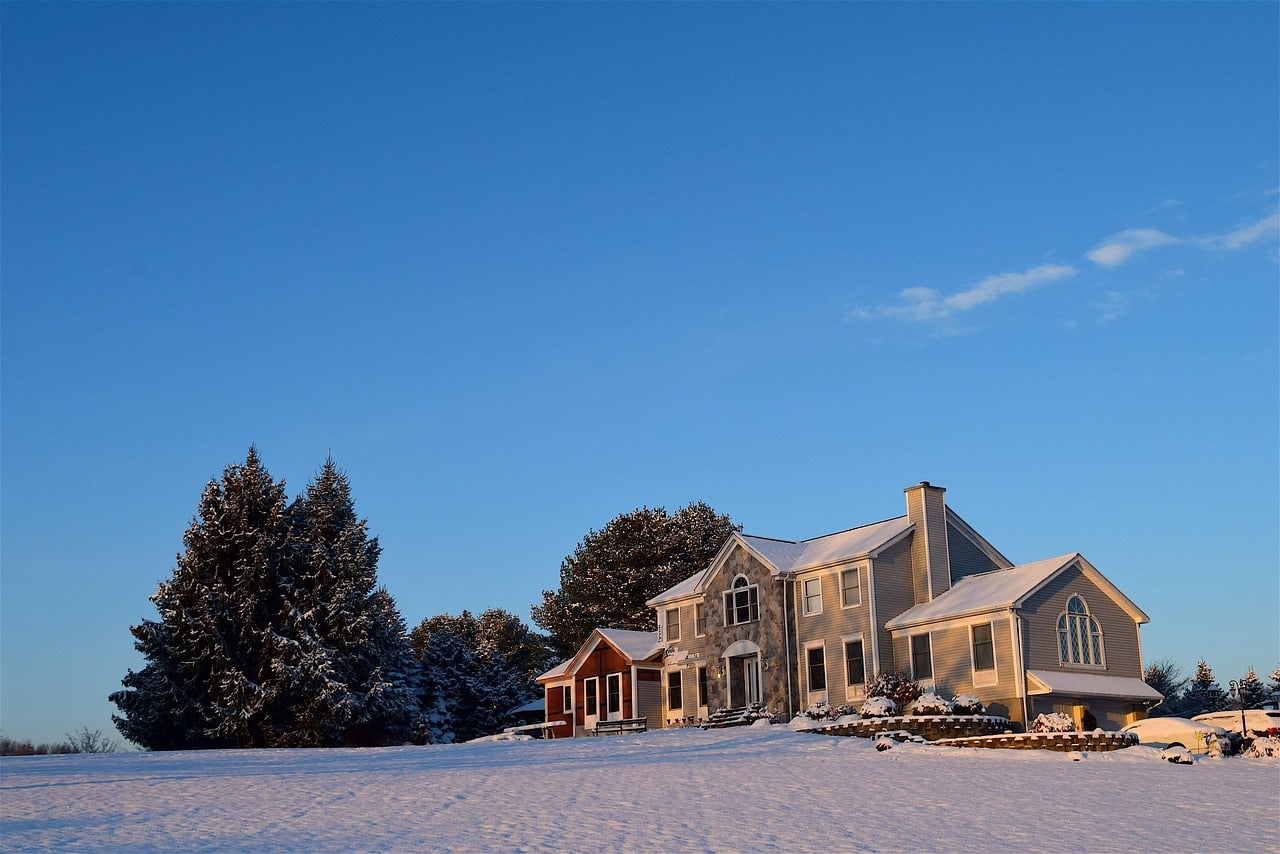
How can you tell if a house gets good winter sun before you buy? Check the rooms that matter on the shortest, lowest-sun part of the year: aspect, window direction, nearby buildings, trees, rooflines, and the sun’s path across the property. A house can look bright in spring listing photos and still feel dim through December and January.
Winter sun is the better test because it is scarce, low, and easily blocked.
TL;DR
- Winter is the daylight stress test: the sun is lower, days are shorter, and shadows reach farther.
- In the Northern Hemisphere, south-facing living spaces usually have the best winter-sun potential; in the Southern Hemisphere, north-facing spaces usually do.
- Nearby houses, trees, balconies, hills, and roof overhangs can block winter sun even when the aspect looks right.
- Use the sun position calculator before a viewing, then use SunCast for house-hunting to check how the light changes by room and season.
Why winter sun is the real test
Most buyers notice sunlight when it looks good: a bright kitchen in April, a warm garden in June, or an evening living room in listing photos. The harder question is what happens in winter, when the sun stays lower in the sky and clears fewer obstacles.
NASA’s seasons explainer gives the basic reason: Earth’s tilted axis changes how directly sunlight reaches each hemisphere through the year. Around winter, your hemisphere tilts away from the sun, so the sun tracks lower and the daylight window shrinks. Lower sun means longer shadows from the same buildings, fences, trees, and hills.
That is why winter sunlight is not just “less summer light.” It comes from a different path. A house that gets plenty of high summer sun may lose its best direct light when the winter sun drops behind a neighboring roofline.
Start with the main living spaces
Do not judge a property by its brightest room. Start with where winter light will affect daily life:
- Living room
- Kitchen or dining area
- Home office
- Main bedroom
- Garden, patio, or balcony
- Rooms used by kids, older family members, or anyone home during the day
For each space, note the window direction, window size, floor level, outside blockers, and the time of day you expect to use it. A sunny spare room is nice, but a dark living room can change how the house feels every winter afternoon.
If you are still working out the basic orientation, start with which way your house faces. Aspect is not the whole answer, but it is the starting point.
Know which aspect has winter-sun potential
In the Northern Hemisphere, the winter sun sits mostly in the southern half of the sky. That makes south-facing windows, gardens, and living areas the strongest candidates for direct winter light. East-facing rooms get morning light, west-facing rooms get afternoon light, and north-facing rooms often get little or no direct winter sun.
In the Southern Hemisphere, flip that pattern: north-facing spaces usually have the best winter-sun potential, while south-facing spaces are more likely to stay indirect and cool.
This is a rule of thumb, not a guarantee. A south-facing room on a low floor can still be dark if a building is close. A west-facing living room may be more useful if you are home after work. The question is not “which aspect is best?” It is “which rooms get the light when I need it?”
Check the winter blockers
Winter sun is low enough that distant objects matter. A tree or building that barely affects summer light can throw a long winter shadow across a house, garden, or apartment block. This is the part buyers often miss because the blocker may not look close.
At a viewing, stand at each important window and look outward. Ask:
- Is there a house, wall, or apartment block between this window and the winter sun?
- Are evergreen trees on the sunward side?
- Do deciduous trees drop leaves and let in winter light, or are they dense enough to matter all year?
- Does a roof overhang, balcony, porch, or deep recess shade the glass?
- Is the room below the street, behind a hill, or at the bottom of a slope?
The sun position calculator helps because it shows the sun’s direction and elevation for any date. Check the winter solstice, then check a normal workday in January or February at the time you care about. If the sun is low and lined up behind a blocker, the room probably will not get much direct winter sun.
NOAA’s solar calculator is a useful independent reference for the same core inputs: location, date, time, solar position, sunrise, sunset, and solar noon.
Compare winter and summer sun
Search for the property and compare June and December at the times you use the room.
Choose a search result to start. Browser location is only requested when you press the button above.
Open the full tool →Visit when the weak light should show
If winter light is a deal-breaker, visit during the weakest part of the year or simulate it before you go. A summer open house cannot tell you enough. The sun may be high enough to clear obstructions that will block it completely in winter.
When a true winter viewing is possible, use this schedule:
- Morning for east-facing kitchens, bedrooms, and breakfast spaces.
- Late morning to early afternoon for equator-facing living rooms.
- Mid-afternoon for west-facing rooms and after-work use.
- A cloudy day plus a sunny day if you want to understand both brightness and direct sun.
If you cannot visit in winter, ask the owner or agent specific questions: “Does this room get direct sun in December?” “What time does the garden lose sun in January?” “Are those listing photos from this season?” Vague answers like “it gets lovely light” are not enough.
Think about heat, glare, and trade-offs
Good winter sun is valuable, but it is still a trade-off. The same orientation that helps in winter can create overheating or glare in summer if the house lacks shading, ventilation, trees, blinds, or overhangs. A room with huge west-facing glass can feel wonderful on winter afternoons and uncomfortable during a summer heat wave.
This is why the best homes match orientation with how the rooms are used. Morning sun is often good for kitchens and bedrooms. Midday winter sun is useful for main living spaces. Evening sun can make a lounge feel warm after work, but it may need summer shading.
Passive solar design has long used this seasonal balance: admit low winter sun where useful, then shade higher summer sun where overheating is likely. For buyers, you do not need to design the house from scratch. You just need to know whether the house you are buying already has the balance you want.
The short version
To tell if a house gets good winter sun, check the main rooms against the winter sun path, not the listing photos. Look for equator-facing windows, open sky, higher floor level, and a lack of winter blockers such as nearby buildings, evergreen trees, hills, balconies, and overhangs. Winter is the stress test because low sun creates long shadows. Preview the address with the sun position calculator, then use SunCast for house-hunting when sunlight is a major buying criterion.