Gardening
Full Sun, Partial Sun, and Shade: How to Measure Your Garden
By SunCast team · Published · Last updated · 6 min read · Markdown
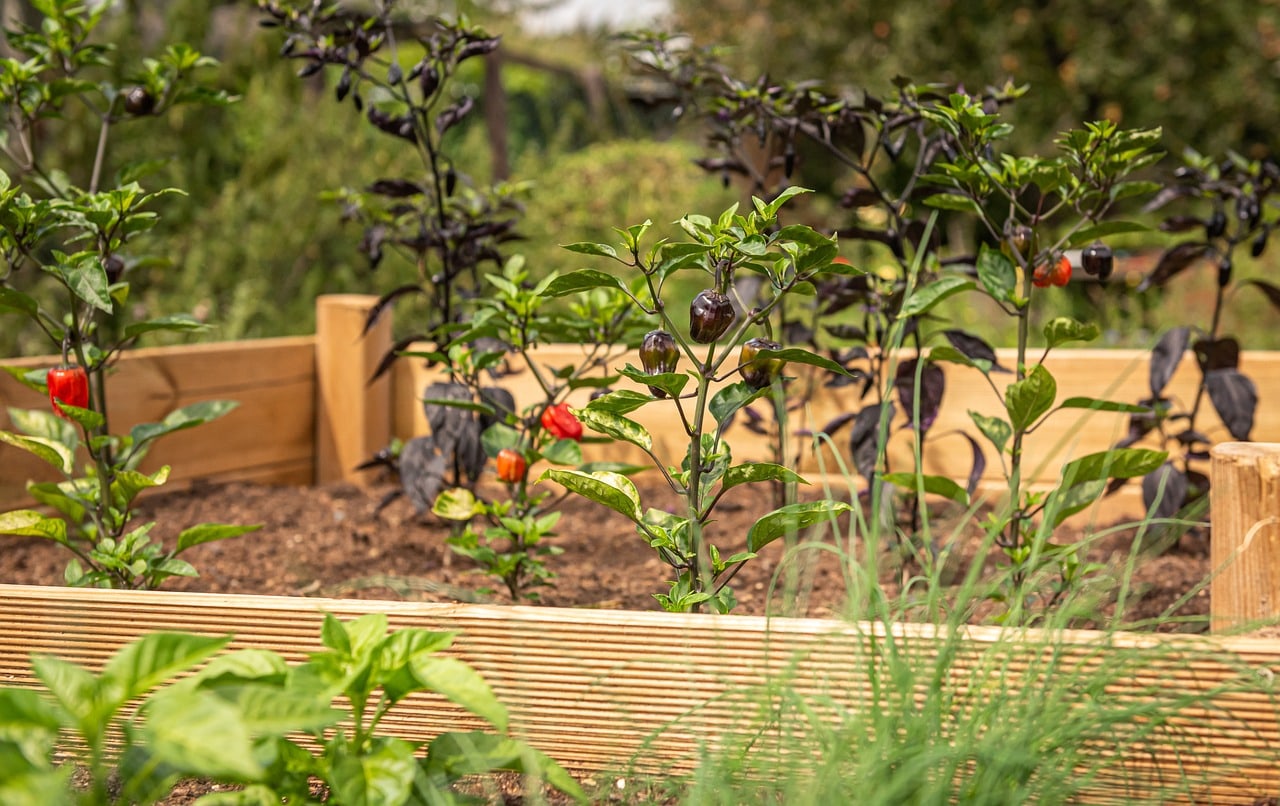
How do you measure full sun, partial sun, and shade in a garden? Track how many hours of direct sunlight hit the exact planting spot, then repeat the check in another season if trees, buildings, or slopes affect it. “Full sun” commonly means at least six hours of direct sun for vegetables and many flowering plants, but plant labels and local conditions still matter.
TL;DR
- Measure direct sun, not general brightness. Light filtered through leaves and light reflected from a wall are useful, but they are not the same as unobstructed direct sun.
- For many edible crops, full sun means 6–8 hours of direct sun; part shade is often about 3–6 hours, while full shade is under 3 hours.
- Log when sun enters and leaves each bed, then check again in another season because the sun path and shadows change.
- Use the sun calculator for a first look at your yard and SunCast for gardeners to map sun and shadow patterns at the actual planting spot.
Start with the plant label, then check the site
Plant labels are a reasonable starting point, not a measurement. A “full sun” bed can be in shade until late morning, then receive strong afternoon heat. A “part shade” corner can get several hours of soft morning sun and be ideal for leafy greens, while another corner with the same total hours may be stressed by reflected heat from a wall.
Oregon State University Extension says fruit-bearing vegetable crops such as tomatoes, peppers, melons, and squash generally need at least six to eight hours of sun a day. It also notes that leafy crops can grow with four to six hours of sun or constant dappled shade. See its vegetable-gardening guide.
So the useful question is how many hours of direct sun this exact bed gets, when it gets them, and what changes through the season.
What full sun, partial sun, and shade usually mean
Terms vary a little between plant suppliers, so follow the requirements on the specific plant label when they conflict with a generic chart. This table is a practical observation guide.
| Light condition | Practical definition | Typical planting implication |
|---|---|---|
| Full sun | About 6+ hours of direct sun; many vegetables perform best closer to 6–8 hours. | Often suited to fruiting vegetables and many flowering plants, if water and heat are managed. |
| Partial sun / part shade | Roughly 3–6 hours of direct sun, or bright filtered light depending on the label. | Often useful for leafy greens, woodland plants, and locations protected from hard afternoon sun. |
| Full shade | Less than about 3 hours of direct sun. | Choose true shade-tolerant plants; most fruiting vegetables will not thrive here. |
| Dappled shade | Moving, filtered light through a tree canopy. | Can be bright but changes as leaves, wind, and season change. |
University of Minnesota Extension defines light/part shade as about three to six hours of sunlight and full shade as under three hours; it describes dappled shade as light filtering through a tree canopy. Read its shade-gardening guide for the useful distinction between shade types.
Count the direct sunlight at the soil where the plant will grow. How bright the rest of the garden feels does not decide whether a spot is full sun.
How to measure sun exposure in one day
Pick a clear or mostly clear day when you can check the garden several times. You do not need a special meter for a useful first pass.
- Mark the actual planting areas. Use a stake, pot, or note on a simple map. A bed can have a sunny edge and a shaded center.
- Check every hour or two. Record whether each area has direct sun, dappled light, or shade. Direct sun means an unobstructed beam is reaching the spot, not just a bright sky.
- Note the cause of shade. Write “house,” “fence,” “oak canopy,” “neighbor’s building,” or “hill.” This tells you whether the shade will move, disappear in winter, or increase as foliage fills out.
- Add up direct-sun hours. A rough log is enough at first. If the sun reaches the bed at 9 a.m. and leaves at 3 p.m., that is about six hours; record whether the strongest light is morning or afternoon.
- Match plant needs to the result. Put high-light crops where they actually receive sufficient direct sun, and reserve lower-light spaces for plants that tolerate them.
The timing can matter as much as the total. Early direct light is different from the same number of hours concentrated against a hot west-facing wall, so record both the hours and when they occur.
Measure again when the season changes
One July observation is not a year-round map. In the Northern Hemisphere, the summer sun takes a higher path and winter sun sits lower; the opposite seasonal relationship applies in the Southern Hemisphere. NASA explains that Earth’s axial tilt produces these seasonal changes in sunlight. Its seasons overview is a clear primer on why daylight and angles change.
The practical consequence is simple: a wall, hedge, or tree that barely affects a bed at midday in summer can cast a long winter shadow. Deciduous trees add another variable: they may create dappled summer shade but much less obstruction after leaf drop.
Low sun is also the sun most easily blocked. A 1.8 m fence or hedge 5 m from a bed hides the sun whenever it is lower than about 20°. In Portland, Oregon, the sun is above 20° for about 11 hours on 21 June (07:33 to 18:51 PDT), 9.5 hours on 15 April, 8.6 hours on 15 September and under 2 hours on 21 December (calculated with SunCast’s sun calculator). A bed ringed by fences at that distance could meet the six-hour mark from spring to early autumn and fall far short of it in winter, before trees or the house take their share.
For a perennial border or a raised bed you plan to keep for years, observe at least twice: once in the growing season and once when the sun is lower. The NOAA Solar Calculator can show sunrise, sunset, azimuth, and elevation by date and location, which is useful for understanding why that shadow line shifts.
Do not confuse heat with useful light
A hot south- or west-facing wall can make a spot feel “sunny” even when a nearby plant is shaded for much of the day. Reflected heat can also stress plants, dry soil faster, and make an otherwise appropriate light category harder to manage.
When you log a spot, add three notes: direct hours, the time of those hours, and heat/reflection. This helps distinguish a gentle morning-sun planting area from a west-facing pocket that receives the same number of hours but much harsher conditions.
If a plant struggles, check water, soil, drainage, roots from nearby trees, and airflow before blaming the sun alone. Minnesota Extension emphasizes that soil is foundational to plant growth; sunlight is vital, but it is not the only condition a plant experiences.
A practical map for planting day
Create a simple yard sketch with four labels: full sun, morning sun, afternoon sun, and shade. Add the season and the date observed. Then make planting choices from the map rather than from the brightest-looking corner of the yard.
For a quick remote starting point, use the sun calculator. To see changing shadow patterns around a location, use SunCast for gardeners, then confirm your plan by observing the bed on the ground. For more on seasonal changes, read why shadows change from winter to summer or the guide to mapping garden sun exposure.
The finished map should give direct-sun hours, timing and shade sources for every bed, with the date you observed them.