Gardening
How to Map Sun Exposure in Your Garden Before Planting
By SunCast team · Published · Last updated · 5 min read · Markdown
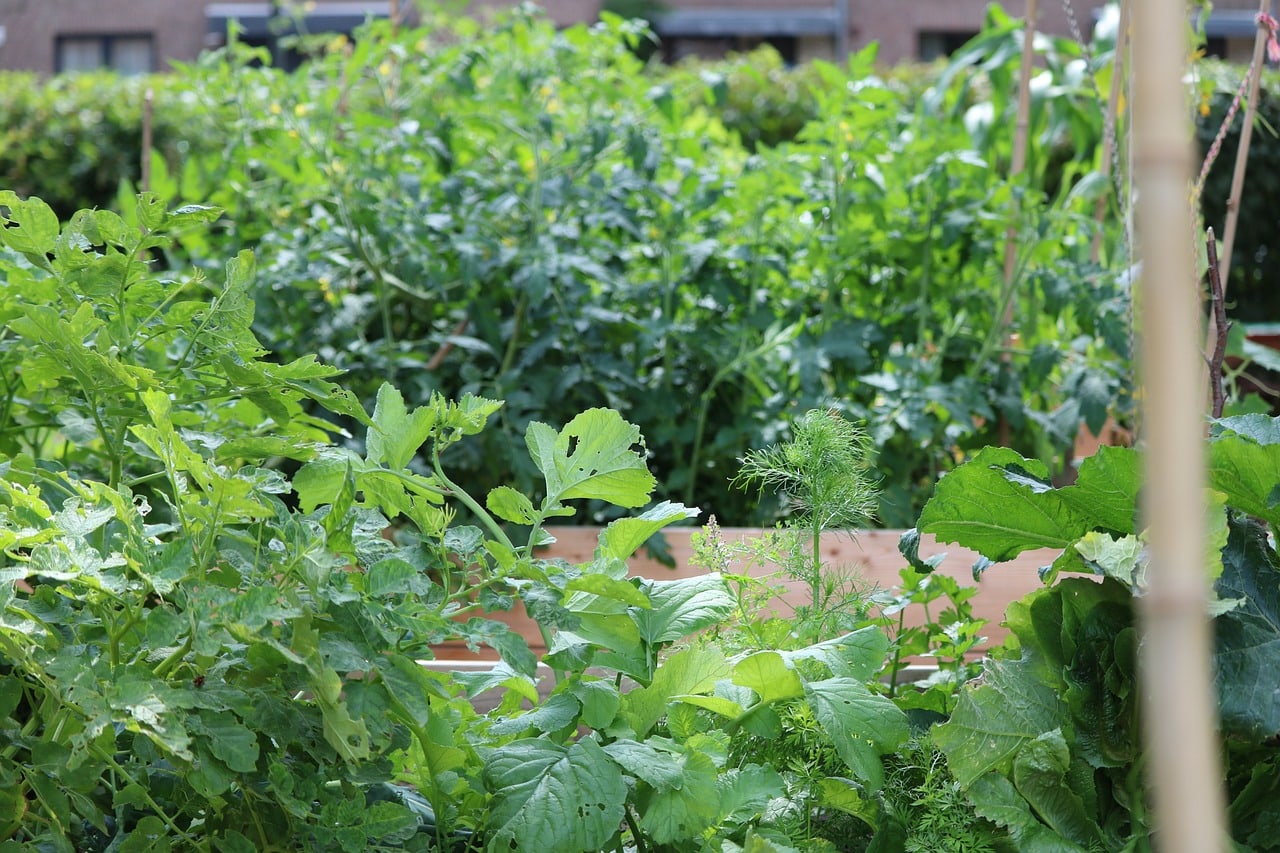
Where does the sun hit my yard? The honest answer changes by hour, season, fence line, tree canopy, and building shadow. That is why a plant labelled “full sun” can still disappoint in a spot that looked sunny when you bought it. A corner that looks bright at noon may be shaded all morning, when the soil is cool and damp, and a bed with long June evenings may get little direct sun by October.
Key takeaways
- Track sunlight by zone, not by the whole yard. Most gardens have several microclimates.
- Measure direct sun across the day, then repeat or estimate for a different season.
- Watch for moving shadows from fences, trees, walls, sheds, and neighboring buildings.
- Use the sun position calculator to preview where the sun will travel over your garden on different dates.
For a record to take outside, copy the garden sun survey worksheet. It separates observations, app estimates and the intervals you still need to check.
Start with zones, not plants
Before choosing plants, divide the garden into practical zones: raised beds, lawn edges, patio, fence line, under trees, beside the house, and any containers. Each zone can behave differently even if the yard is small.
For each zone, note:
- When it first gets direct sun.
- When it loses direct sun.
- What casts shade over it.
- Whether the soil stays wet, dry, warm, or cool.
Plant labels are based on hours of direct sun, so a zone-by-zone record is more useful than a general sense that the yard is “sunny” or “shady”.
Know what full sun and partial shade mean
Garden labels use broad categories:
- Full sun usually means six or more hours of direct sunlight per day.
- Partial sun usually means four to six hours of direct sun.
- Partial shade often means two to four hours of direct sun, or filtered light for longer.
- Full shade means little or no direct sun, though the area may still be bright from open sky.
These labels are useful, but they are not perfect. Morning sun is gentler than afternoon sun. Six hours of cool spring sun is not the same as six hours of hot July sun against a brick wall. A plant that tolerates full sun in a mild climate may scorch in a hotter courtyard.
For food crops, flowers, and Mediterranean herbs, the strongest spots are usually the ones with long, direct light and good airflow. For leafy greens, ferns, hostas, and shade-tolerant ornamentals, partial shade can be an advantage.
Make a one-day sun map
The simple version needs only a sketch, your phone, and one clear day.
Draw a rough map of the garden. It does not need to be beautiful; it only needs to show beds, fences, trees, buildings, paths, and patios. Then check the garden every two hours from morning to evening. At each check, mark which zones are in direct sun and which are shaded.
A useful schedule:
- 8:00: morning sun
- 10:00: late morning
- 12:00: midday
- 14:00: early afternoon
- 16:00: late afternoon
- 18:00: evening, if there is still sun
At the end, count the blocks of direct sun for each zone. If a bed is sunny at 10:00, 12:00, and 14:00, it likely gets around six hours, depending on exactly when the sun arrived and left. Check the first and last transitions more closely if a bed sits near the six-hour line.
The same schedule finds a very different sun in another season. Here is where the sun is at each check in Dublin, in local Irish summer time, calculated with SunCast’s sun calculator:
| Check | 21 June | 15 October |
|---|---|---|
| 08:00 | 23° up, east | just risen, east-south-east |
| 10:00 | 41°, east-south-east | 16°, south-east |
| 12:00 | 56°, south-east | 26°, south-south-east |
| 14:00 | 59°, south-south-west | 27°, south-south-west |
| 16:00 | 49°, south-west | 19°, south-west |
| 18:00 | 32°, west | 4°, west-south-west, setting at 18:31 |
In June the Dublin sun rises in the north-east and sets in the north-west, so a bed on the north side of a house or hedge can pick up early-morning and evening sun. By mid-October sunrise has moved to east-south-east and sunset to west-south-west, the sun never climbs above 28°, and that same bed may get no direct sun at all. A June map of that garden would overstate its autumn light badly.
To check a future planting date, compare your map with the sun position calculator. Move the date toward spring, summer, autumn, or winter and watch how the sun path shifts.
Watch the shadows that change through the year
The sun’s path changes with the seasons, so your garden map is a snapshot. In summer the sun climbs higher and days are longer. In winter the sun stays lower and shadows reach farther. That means the same fence, tree, or house can shade a completely different part of the yard in December than it does in June.
Trees add another layer. A deciduous tree might cast heavy shade in summer, then open up winter light after it drops leaves. An evergreen hedge casts shade all year. A young tree can be harmless now and become the main shadow source in five years.
If you are planning permanent features such as raised beds, a greenhouse, a pergola, a seating area, or a fruit tree, check more than one season. The Wikipedia page on season gives the basic astronomy, and NOAA’s solar calculator is useful for comparing sun position across dates.
Match plants and spaces to the map
Once you know the light zones, design around them.
Put sun-hungry plants in the brightest, longest-lit zones: tomatoes, peppers, lavender, rosemary, many cut flowers, and most fruiting crops. Give leafy greens, herbs like parsley and mint, and many woodland ornamentals the gentler zones. Use the hottest afternoon-sun areas for plants that enjoy heat, or reserve them for seating only if you plan shade.
For patios, think about use rather than labels. Morning sun is good for breakfast and coffee. Midday sun can be too intense without shade. Evening sun is pleasant in cooler climates but can be uncomfortable against paving, walls, and glass after a hot day.
For more on planning a garden with SunCast, see SunCast for gardeners.
The short version
To map garden sun exposure, divide the yard into zones, record direct sunlight every couple of hours, and count how many hours each zone actually gets. Then check how trees, fences, walls, and buildings move shadows through the day and across the year. Once you know the map, plant placement becomes much simpler: full-sun crops in the strongest zones, shade-tolerant plants in the softer ones, and patios where the light matches how you will use them.