Real Estate & Home
The Sunlight Checklist for Apartment Viewings
By SunCast team · Published · Last updated · 6 min read · Markdown
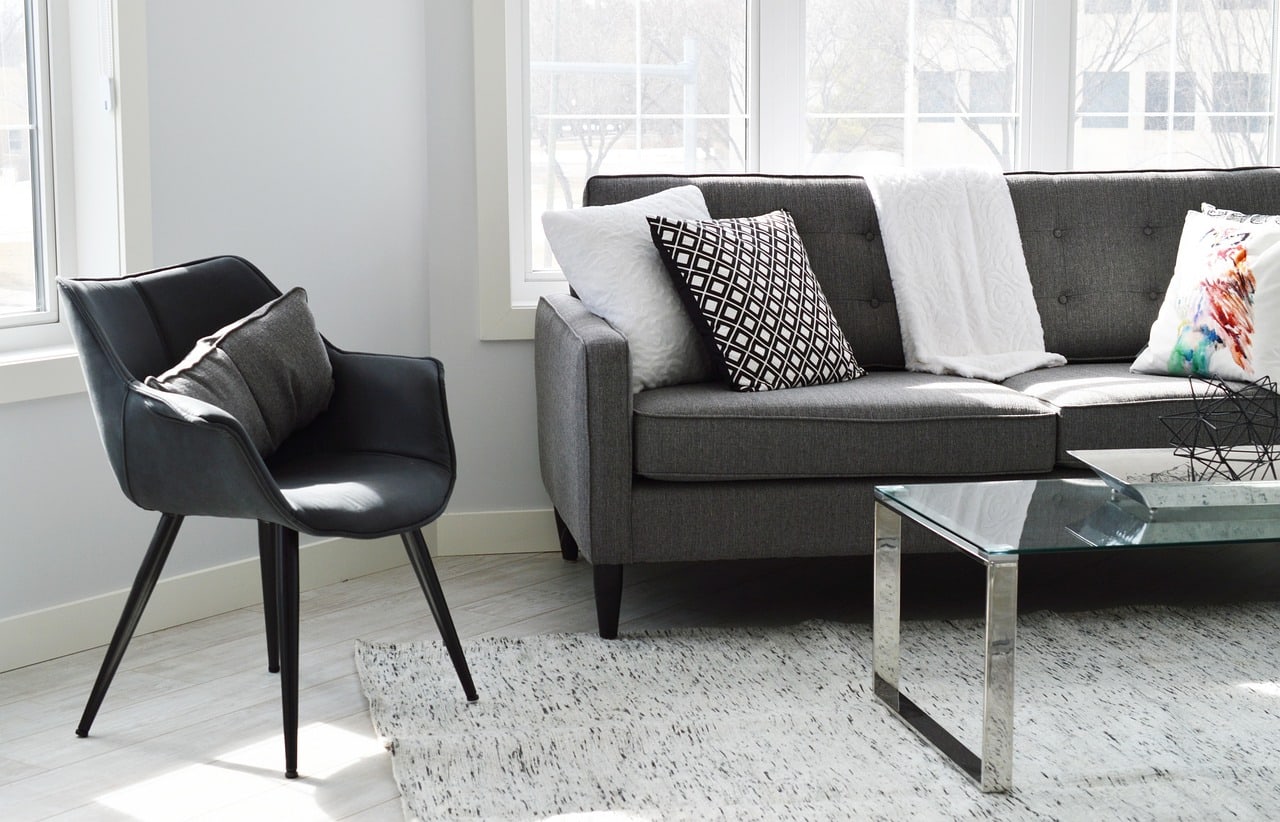
Does this apartment get sun? It is one of the easiest things to get wrong at a viewing, because listing photos are usually taken on the brightest day, at the best hour, with all the blinds open. Real daylight depends on the apartment’s aspect, floor level, nearby buildings, window size, trees, balconies, and the season. A bright apartment in May can feel dim in December, and a west-facing room that looks warm in photos can become hot and glaring every summer evening.
Key takeaways
- Visit at the time of day you will actually use the rooms, not just when the agent suggests.
- Check the apartment’s aspect, but also the real blockers: opposite buildings, balconies, trees, and rooflines.
- Ask how the light changes in winter, when the sun is lower and shadows reach farther.
- To check any address before a viewing, use the sun position calculator and compare the sun path against the building.
Start with the rooms that matter
Do not judge the whole apartment from the brightest window. Start with the rooms where sunlight will affect daily life: the living room, kitchen table, desk, bedroom, balcony, and any plants you care about. A hallway can be dark and irrelevant; a home office that never gets usable daylight is a daily problem.
For each room, write down three things:
- Which direction the main window faces.
- What blocks the sky outside it.
- What time of day you expect to use that room.
The last point matters most. Morning sun is lovely in a kitchen or bedroom. Evening sun can make a living room feel alive after work. A room can be technically “sunny” but useless if the light arrives when you are never home.
If you are still unsure about aspect, start with the basics in which way your house faces, then come back to this checklist.
Check the apartment’s aspect
Aspect is the compass direction the main windows face. In the Northern Hemisphere, south-facing rooms usually get the most direct sun across the day, north-facing rooms get the least, east-facing rooms get morning sun, and west-facing rooms get afternoon and evening sun. In the Southern Hemisphere, north and south swap.
That rule of thumb is useful, but it is not enough. A south-facing window on a low floor can still be dark if the building opposite is close. A north-facing room can feel good if it has huge windows and a wide open sky. Aspect tells you where the light could come from; the site tells you whether it actually reaches the glass.
At the viewing, stand at each important window and ask:
- Can I see a lot of open sky?
- Is there a building directly opposite?
- Does a balcony above the window shade the room?
- Are there mature trees that will leaf out in summer?
- Is the room deep, narrow, or painted dark?
Look for shadow blockers outside the listing
Opposite buildings, neighbouring towers, roof overhangs, courtyards, walls, and trees can all cut sunlight before it reaches your window. In a city, they usually matter more than anything inside the flat.
Floor level is where this gets concrete. Picture a south-facing apartment on a New York side street about 18 m (60 ft) wide, with a 20 m block opposite. From a window about 5 m above the pavement, that roofline sits roughly 40° above the horizon. From a window about 14 m up, it sits at about 18°. Here is when the sun is high enough to clear it:
| Date | Window 5 m up (roofline at 40°) | Window 14 m up (roofline at 18°) |
|---|---|---|
| 21 December (noon sun 25.9°) | No direct sun over the roof | About 09:40 to 14:10 |
| 20 March | About 10:55 to 15:10 | About 08:45 to 17:25 |
| 21 June (noon sun 72.7°) | About 09:10 to 16:45 | About 09:00 to 17:00 |
Sun positions are for 40.71° N, 74.01° W in New York local time, calculated with SunCast’s sun calculator. The building is an example, and the table assumes it runs the length of the block. In June the two windows are almost equal. In December one gets four and a half hours of sun and the other gets none, which is why a summer viewing of a low-floor flat tells you so little.
Balconies are a common trap. They are great outdoor space, but a deep balcony above your window acts like a permanent visor. It blocks high summer sun well, which can be good for cooling, but it may also make the room feel dim. If the balcony is yours, check whether the outdoor space itself gets light at the time you want to use it.
To preview the shadow risk before you go, drop the address into the sun position calculator. It gives the sun’s direction and height for any date and time, but it does not know how tall the building opposite is. Compare its elevation with a rough estimate of the roofline angle from the window, as in the table above.
Visit twice if daylight is a deal-breaker
One viewing rarely tells the truth. If sunlight matters, try to visit twice: once when the room is expected to be bright, and once when you expect it to be average or weak. For an east-facing room, that means morning plus afternoon. For a west-facing room, afternoon plus morning. For a south-facing room, late morning or early afternoon is useful, but winter is the real test.
If a second viewing is impossible, arrive early and walk around the block. Look at where the sun is, which sides of buildings are lit, and which apartments are already in shadow. You can learn a lot before you even go inside.
Ask the agent direct questions, but do not rely on vague answers:
- “What time does this room get direct sun?”
- “Does it get direct sun in December?”
- “Are the listing photos from this apartment and this season?”
- “Has any new development nearby been approved?”
The last question matters. A bright apartment can lose its best light when a new building goes up across the street. Planning portals and local building notices are worth checking when you are buying.
Think seasonally, not just daily
The sun is higher in summer and lower in winter. That simple fact changes apartment light more than most buyers expect. Low winter sun reaches deeper into rooms, but it is also blocked by distant buildings and trees more easily because shadows stretch farther. High summer sun may clear some obstacles, but balconies and overhangs block it more aggressively.
That is why a summer viewing can be misleading. In New York the sun sets at about 20:27 on 15 July and 16:39 on 16 November, so a west-facing room that catches sun after work in summer is already dark when you get home in late autumn. An apartment that seems cool and shaded in August may be gloomy for half the year. The right answer depends on your priorities: heat, brightness, plants, privacy, glare, or energy bills.
For the underlying mechanics, NOAA’s solar calculator is a useful reference for sun position by date and location. Wikipedia’s passive solar building design overview is also a good primer on why orientation and seasonal sun angles matter indoors.
Red flags during an apartment viewing
Watch for these signs:
- Lights are on during a bright part of the day.
- Listing photos show only close-ups, not the full window view.
- The main room faces a narrow courtyard or nearby wall.
- Plants are struggling near the window.
- The apartment is very warm during a mild sunny day.
- The agent avoids answering when direct sun reaches the room.
None of these automatically kills a place. Some people prefer soft, indirect light, especially for bedrooms, studios, and screens. The point is to make the trade-off explicit before you sign.
Before you sign
If daylight is a deal-breaker, check the address in the sun position calculator for a December date and the hours you will use the main room, then book the second viewing for that time. SunCast for house-hunting covers the rest of the process.