The Science of Sunlight
How Shadows Change From Winter to Summer
By SunCast team · Published · Last updated · 5 min read · Markdown
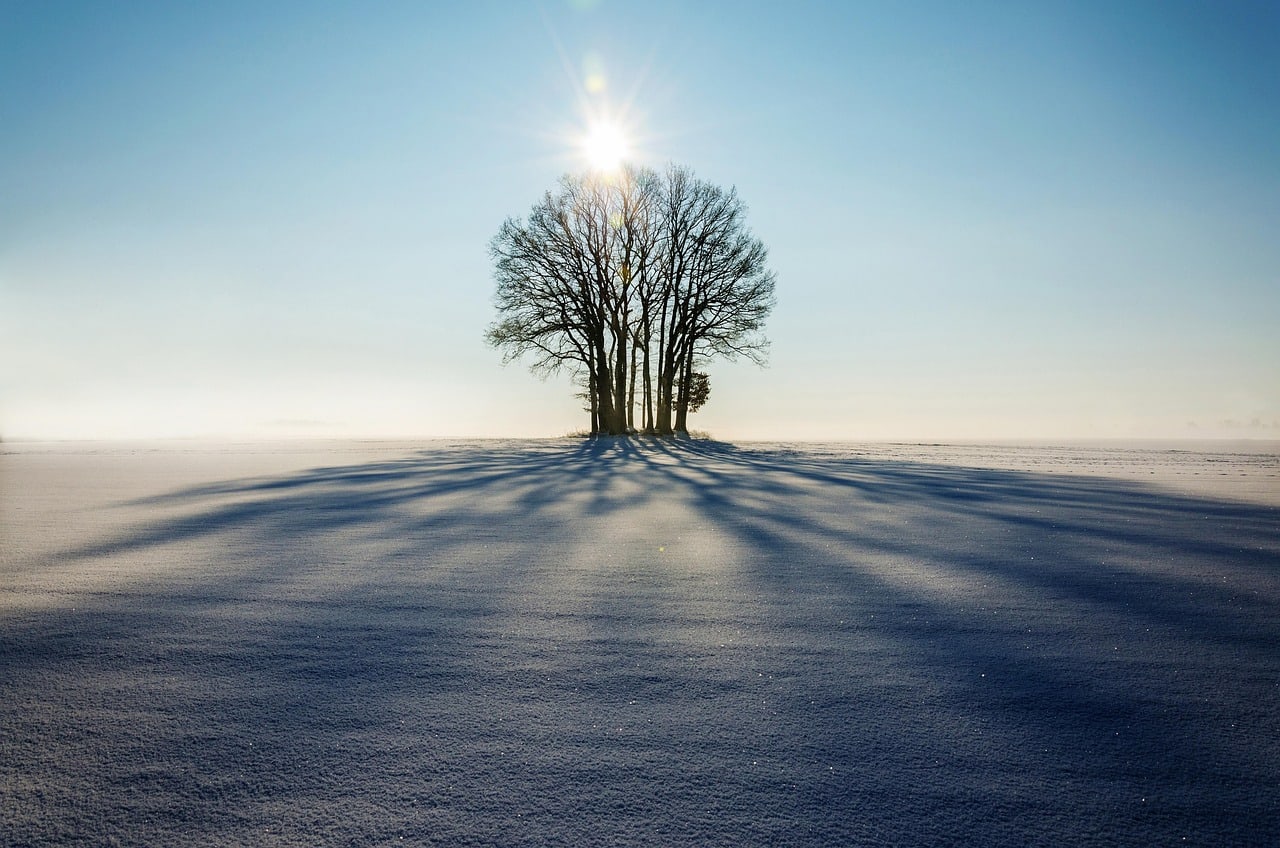
How do shadows change from winter to summer? Winter shadows are longer because the sun stays lower in the sky. Summer shadows are shorter because the sun climbs higher and daylight lasts longer. The object casting the shadow may not change at all, but the sun’s elevation and direction change enough to move the shadow across a different part of the ground, wall, room, or garden.
That is why one sunny-day check is not enough for homes, gardens, campsites, patios, or building-shadow questions.
TL;DR
- Low sun makes long shadows; high sun makes short shadows.
- Winter usually has the longest practical shadows because the sun path is lower and the days are shorter.
- Summer shade can still matter, but it often comes from overhead blockers, trees, awnings, balconies, and afternoon/evening sun angle.
- To check a real address, compare dates in the sun position calculator: winter solstice, summer solstice, and the month you actually care about.
The simple rule: lower sun, longer shadow
A shadow is just blocked sunlight. When the sun is high overhead, light hits the ground steeply and the shadow stays short. When the sun is low, light skims across the ground and the same object casts a much longer shadow.
That means a fence, tree, house, balcony, or apartment block can behave very differently by season. A wall that shades only a narrow strip in June may shade most of a garden in December. A tree that misses your window in summer may block the winter sun for weeks.
SunCast is useful for this because seasonal shade is a geometry problem, not a hunch. The sun position calculator lets you change the date and time, then compare the sun’s direction and elevation for the same location.
Why the sun path changes through the year
The yearly change comes from Earth’s tilt. NASA’s seasons explainer describes the core mechanism: different parts of Earth receive the sun’s most direct rays at different times of year because the planet’s axis is tilted as it orbits the sun.
For everyday shade planning, that tilt shows up as two visible changes:
- The sun rises and sets in different parts of the horizon through the year.
- The sun reaches a different height at solar noon.
Around summer, your hemisphere tilts toward the sun. The sun takes a higher, longer path through the sky, which usually shortens midday shadows. Around winter, your hemisphere tilts away. The sun takes a lower, shorter path, which makes shadows longer and more likely to reach windows, beds, patios, sidewalks, and neighboring properties.
NOAA’s solar calculator exposes the same variables directly: solar declination, solar noon, sunrise, sunset, azimuth, and elevation for a chosen place and date.
Winter shadows: longer, lower, and easier to miss
Winter shadows are the ones that surprise people. They stretch farther because the sun is low for much of the day, and they can come from objects that did not seem relevant in summer: a house across the street, a leafless tree, a fence, a garage, a ridge, or the upper floors of a nearby building.
This matters for:
- Home buying: a bright-looking room may lose winter sun behind a neighboring roofline.
- Apartments: low winter sun may be blocked by buildings across the street or courtyard.
- Gardens: a vegetable bed that gets enough summer sun may fall into winter shade.
- Outdoor seating: a patio may be pleasant in July but cold and shaded in November.
- Building work: a new wall, extension, or shed can cast a longer winter shadow than expected.
Winter also changes the value of shade. In hot summer weather, shade can be desirable. In winter, the same shade may make a room colder, a path icy, or a garden bed too dim for the plants you hoped to grow.
Summer shadows: shorter, but not irrelevant
Summer shadows are usually shorter at midday, but summer shade still matters. The sun is higher, days are longer, and morning/evening light can reach from directions that never occur in winter. That means a yard, balcony, or campsite can be shaded at noon but exposed for hours in the morning or evening.
Summer shade often comes from different blockers:
- Roof overhangs and awnings that block high sun.
- Balconies above windows.
- Tree canopies in full leaf.
- Pergolas, shade sails, and umbrellas.
- West-facing walls and fences during hot afternoon sun.
For comfort, the late-day summer sun is often the problem. A west-facing room or patio can stay shaded at lunchtime but become hot and glaring after work. That is why you should check the hour you actually use the space, not just solar noon.
How to check seasonal shade at a real place
Use three dates as anchors:
- Winter solstice: the lowest yearly sun path for your hemisphere.
- Summer solstice: the highest yearly sun path for your hemisphere.
- The date you care about: moving day, planting week, wedding date, trip date, or construction review.
Then check at least three times:
- Morning, when east-side light matters.
- Solar noon or midday, when the sun is highest.
- Afternoon or evening, when west-side light and heat matter.
For each date and time, ask the same questions:
- What direction is the sun coming from?
- How high is it?
- What object is between the sun and the place I care about?
- Is that object close enough and tall enough to cast shade?
- Does the blocker change by season, such as a deciduous tree?
This is the workflow behind SunCast for house-hunting and SunCast for gardeners: compare more than one date before making a decision you cannot easily undo.
Common mistakes when judging shadows
The biggest mistake is trusting one visit. A sunny patio in May does not prove a sunny patio in January. A shady garden in August does not prove it will be useless in spring. Shadows are date-specific and time-specific.
Other common mistakes:
- Judging a room from listing photos without knowing the season.
- Checking noon only, then missing morning or evening glare.
- Ignoring distant blockers because they do not look close.
- Forgetting trees change when leaves arrive or fall.
- Assuming “south-facing” or “north-facing” is enough without checking actual obstructions.
- Measuring shade on a cloudy day and guessing where direct sun would have landed.
If the decision matters, check the geometry first and verify in person when possible.
The short version
Shadows change from winter to summer because the sun changes height and direction through the year. Low winter sun creates long shadows that can reach farther than expected; high summer sun creates shorter midday shadows but can still cause strong morning or evening exposure. For any home, garden, campsite, or building-shadow question, compare more than one date in the sun position calculator. A single sunny day is only one frame in the yearly sun path.