Photography
What Time Is Golden Hour Today? A Simple Guide
By SunCast team · Published · Last updated · 4 min read · Markdown
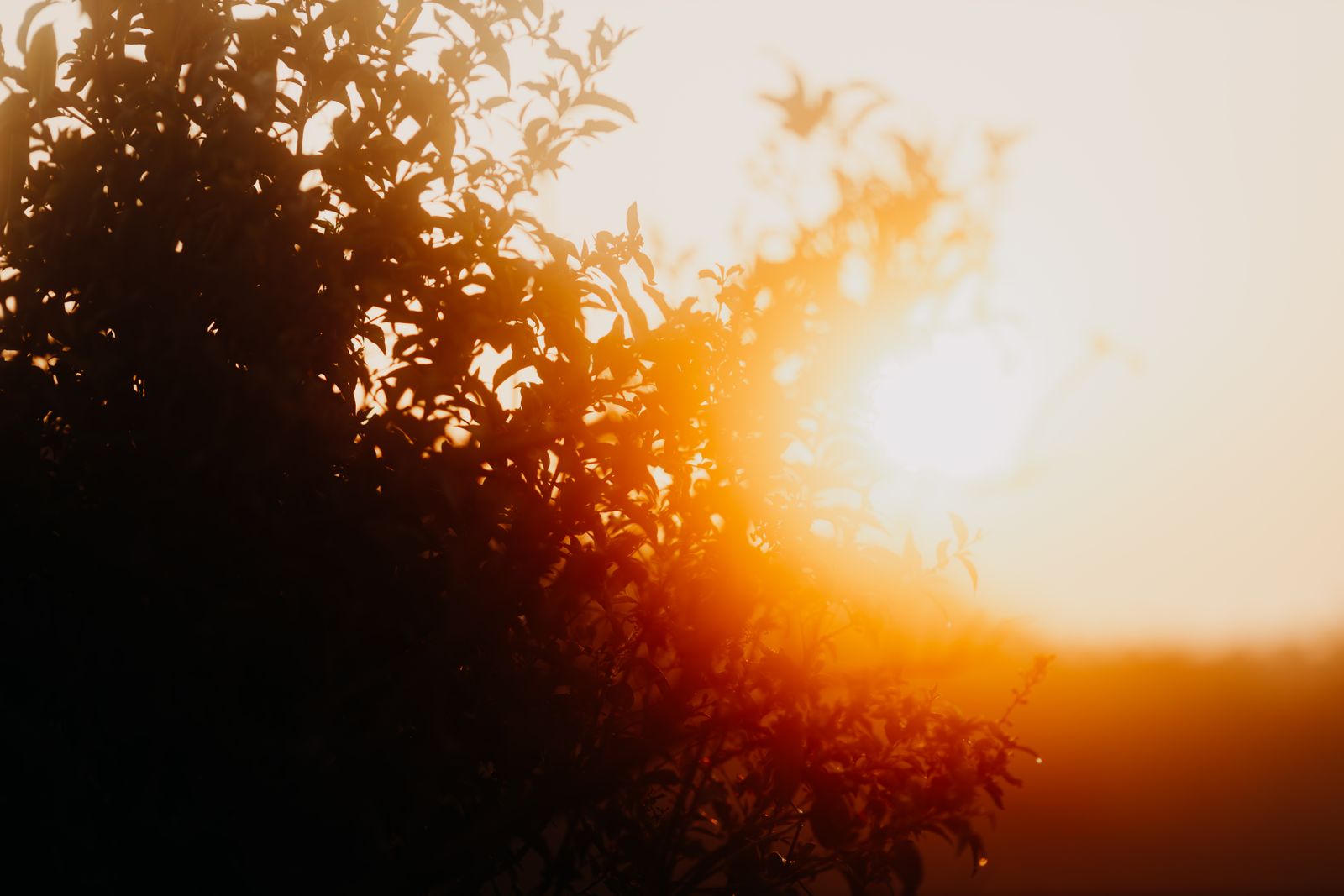
What time is golden hour today? In most places it falls in the first hour after sunrise and the last hour before sunset — but the exact times depend on where you are, the date, and how far you sit from the equator. Golden hour is the stretch when the sun is low on the horizon and its light turns warm, soft, and directional, which is why photographers, filmmakers, and anyone chasing a good photo plan around it.
This guide explains how to find today’s golden hour for your location, what makes the timing move, and how to use it.
Key takeaways
- Golden hour happens twice a day: just after sunrise and just before sunset.
- It is tied to the sun’s elevation — roughly when the sun sits between about +6° and −4° relative to the horizon — not to a fixed clock time.
- The closer you are to the poles (and to the summer solstice), the longer golden hour lasts; near the equator it can be as short as 20 minutes.
- The fastest way to get exact times for your spot is the golden hour calculator — enter a place and date and it returns the morning and evening windows.
What golden hour actually is
Golden hour is defined by the position of the sun, not by the clock. It is the period when the sun is low enough that its light passes through a thick slice of atmosphere, scattering away the cooler blue wavelengths and leaving the warm, golden tones the hour is named for. Shadows grow long and soft, contrast drops, and the light comes from the side rather than overhead — flattering for portraits, landscapes, and architecture alike.
Astronomically, golden hour is usually described as the time when the sun’s centre is between about +6 degrees above and 4 degrees below the horizon. Below that lies blue hour; above it, the light quickly becomes the harsher, whiter light of midday. Because it is defined by an angle, golden hour is not literally sixty minutes long — the “hour” is an approximation that only holds at mid-latitudes.
Why the timing changes
Three things move your golden hour:
Your latitude. Near the equator the sun rises and sets almost vertically, so it climbs through the golden-hour angles quickly — the window can be barely 20 minutes. Closer to the poles the sun travels at a shallow angle to the horizon, so it lingers in those angles far longer; in high-latitude summer, golden hour can stretch on for well over an hour.
The season. The sun’s path through the sky shifts across the year. Around the summer solstice the sun rises earlier and sets later, and its shallower arc lengthens golden hour. In winter the opposite happens — shorter days and a steeper, briefer window.
Your local horizon and weather. The standard calculation assumes a flat horizon at sea level. If you are shooting in a valley, behind a ridge, or among tall buildings, the sun effectively “sets” earlier for you, cutting the evening golden hour short. Clouds, haze, and air quality change the colour and intensity of the light even when the timing is unchanged.
Because of all this, there is no single answer to “what time is golden hour today” — it is genuinely local. A printed table for one city will be wrong for another a few hundred miles north or south.
How to find today’s golden hour
The most reliable approach is to calculate it for your exact coordinates and date. The science is well established and openly available — NOAA’s solar calculator gives sunrise, sunset, and solar noon for any latitude and longitude. The SunCast golden hour calculator uses the same solar-position maths and answers this question directly: enter a place and date and it shows the morning and evening golden-hour windows, with their durations, for your exact spot.
A rough rule of thumb, if you have nothing to hand: the morning golden hour runs for roughly an hour starting at sunrise, and the evening golden hour for roughly an hour ending at sunset. Treat that as a starting point and refine it with a calculator, especially if you are far from the equator or shooting around a solstice.
Planning a shoot around it
Golden hour rewards preparation, because it does not last and it does not wait. A few habits help:
- Arrive early. Scout your composition during the brighter end of the window so you are ready when the light peaks.
- Know which way the light will come from. Side light defines texture and shape; backlight creates rim light and silhouettes. Checking the sun’s direction and elevation ahead of time tells you where to stand.
- Have a plan for the fade. As the sun drops below the horizon, golden hour rolls into blue hour — a second, cooler window many photographers love. Decide in advance whether you are chasing the warm light or staying for the blue.
For a deeper walkthrough of building a shoot around the light — scouting, timing, and gear — see how photographers use SunCast for photography.
The short version
Golden hour is the low-sun light just after sunrise and just before sunset. Its timing is set by the sun’s angle, so it shifts with your latitude, the date, and your local horizon — which is why “what time is golden hour today” only has a precise answer once you plug in your location. Calculate it for your spot, arrive early, and know where the light is coming from. For more on the physics and history of the term, Wikipedia’s golden hour entry is a solid primer.